More about Novi Sad
Novi Sad is the city we recommend most often to clients who like the idea of Serbia but find Belgrade’s pace and traffic a bit much. It’s compact enough to walk across in under an hour, anchored by a genuinely beautiful old town, and quiet in a way that Belgrade, for all its charm, rarely is.
A city built around the river and the fortress
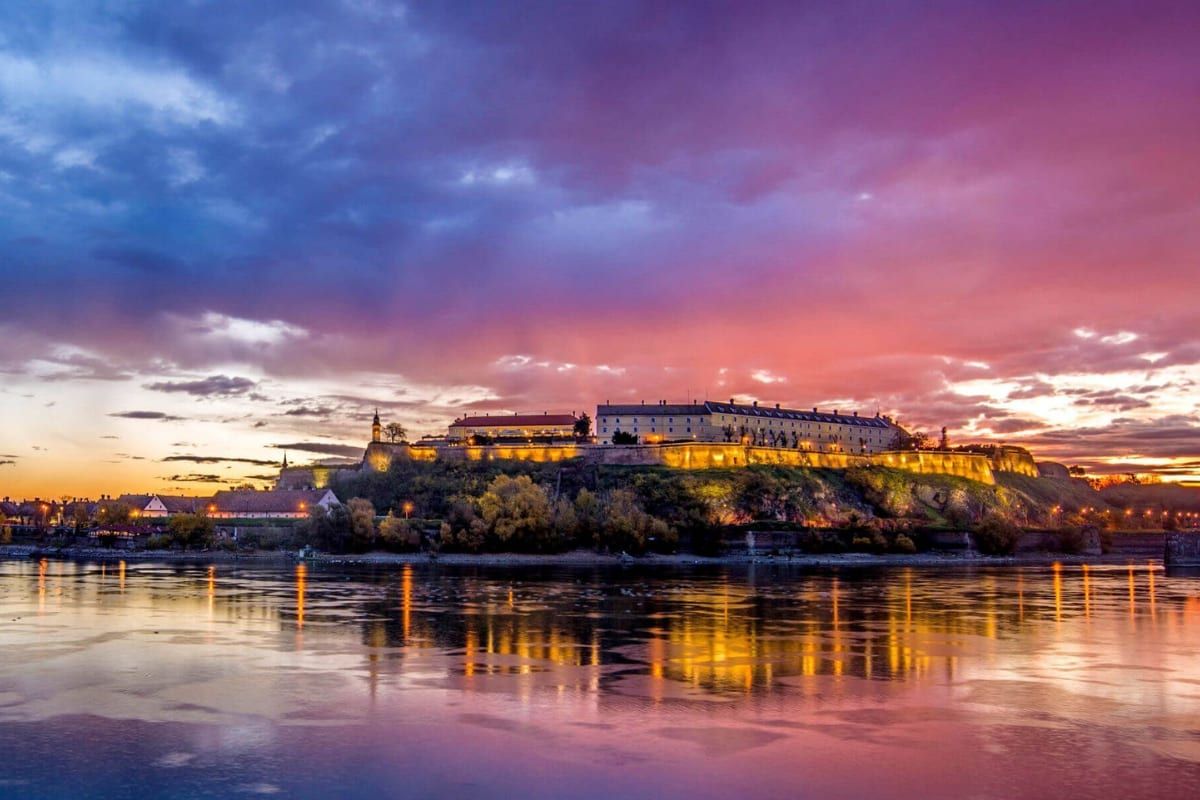
Petrovaradin Fortress, across the Danube from the old town, gives Novi Sad its skyline and its best sunset views. The fortress grounds host the EXIT festival each summer, drawing international visitors, but function as a quiet park and cafe-lined lookout the rest of the year.
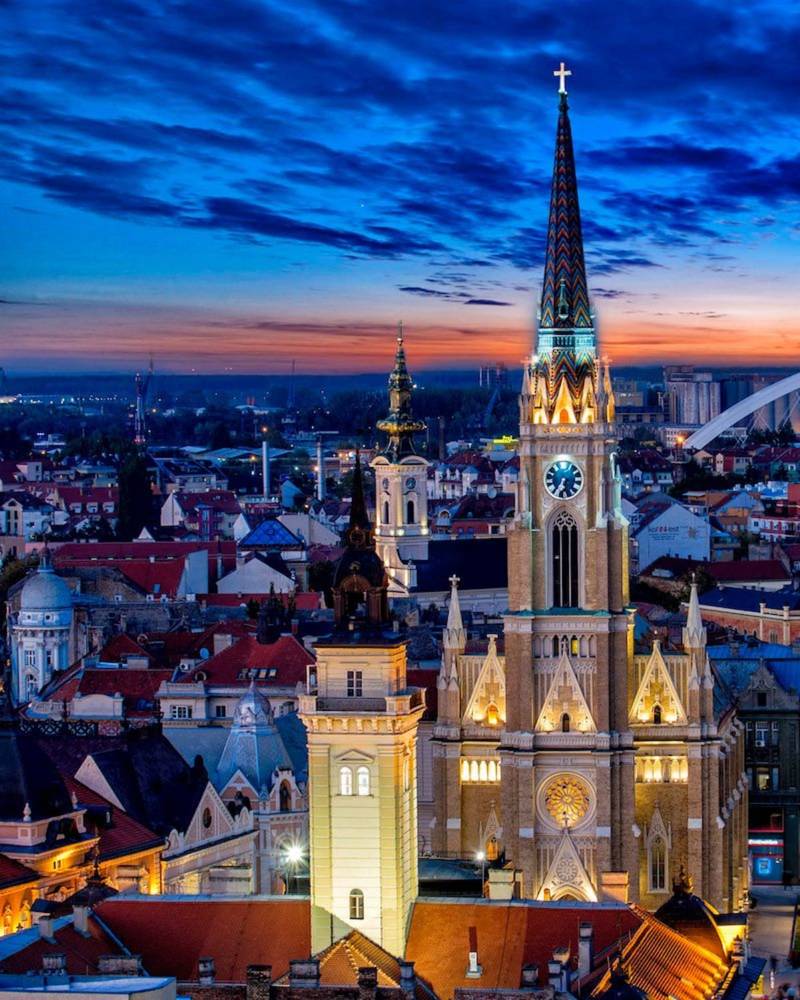
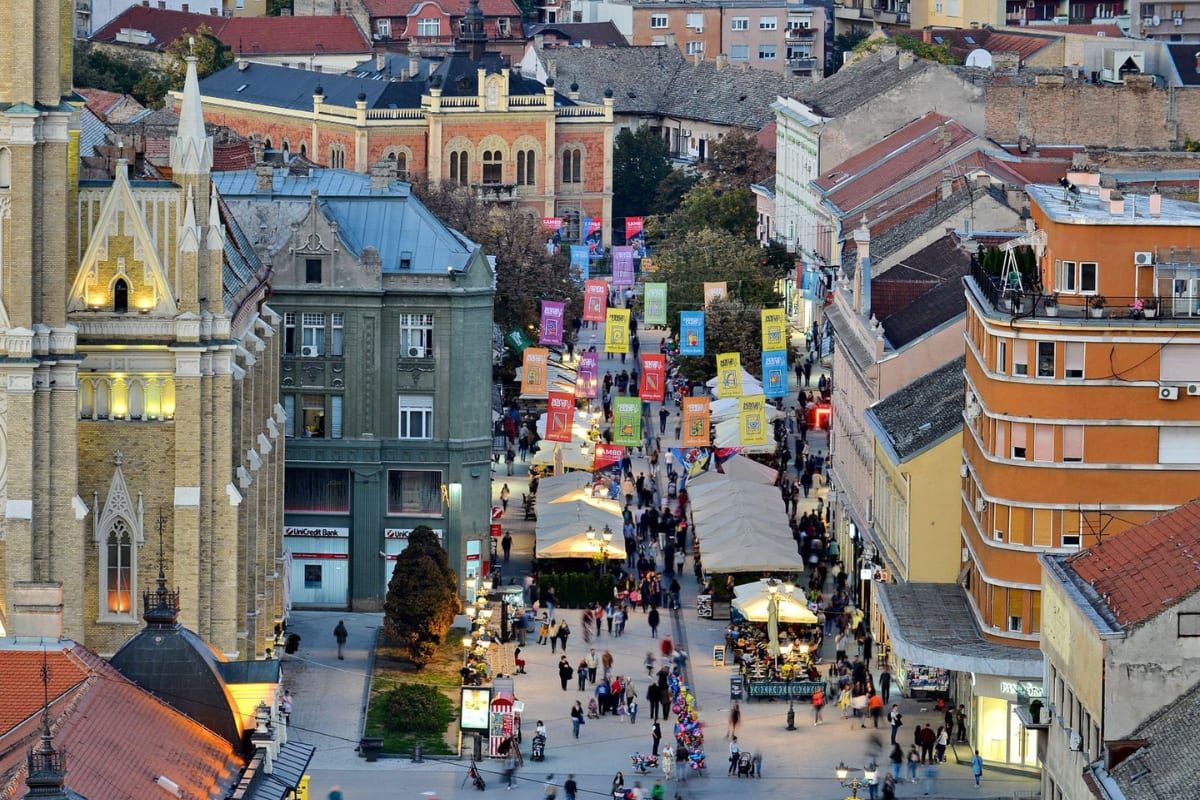
The old town itself is pedestrian-friendly and dense with cafes, small shops, and the city’s main square. Most newcomers we settle here start in this area, since it puts daily errands, cafes for remote work, and the general feel of the city within easy walking distance.
Choosing a neighbourhood
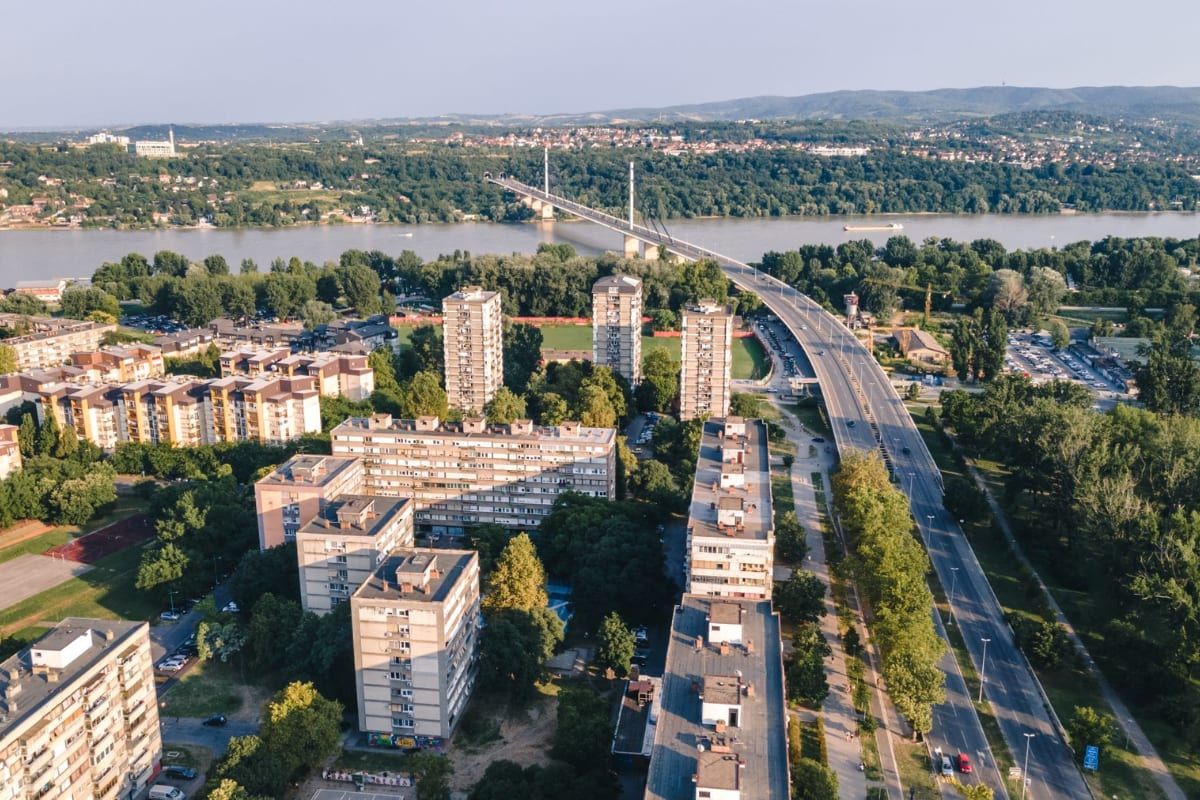
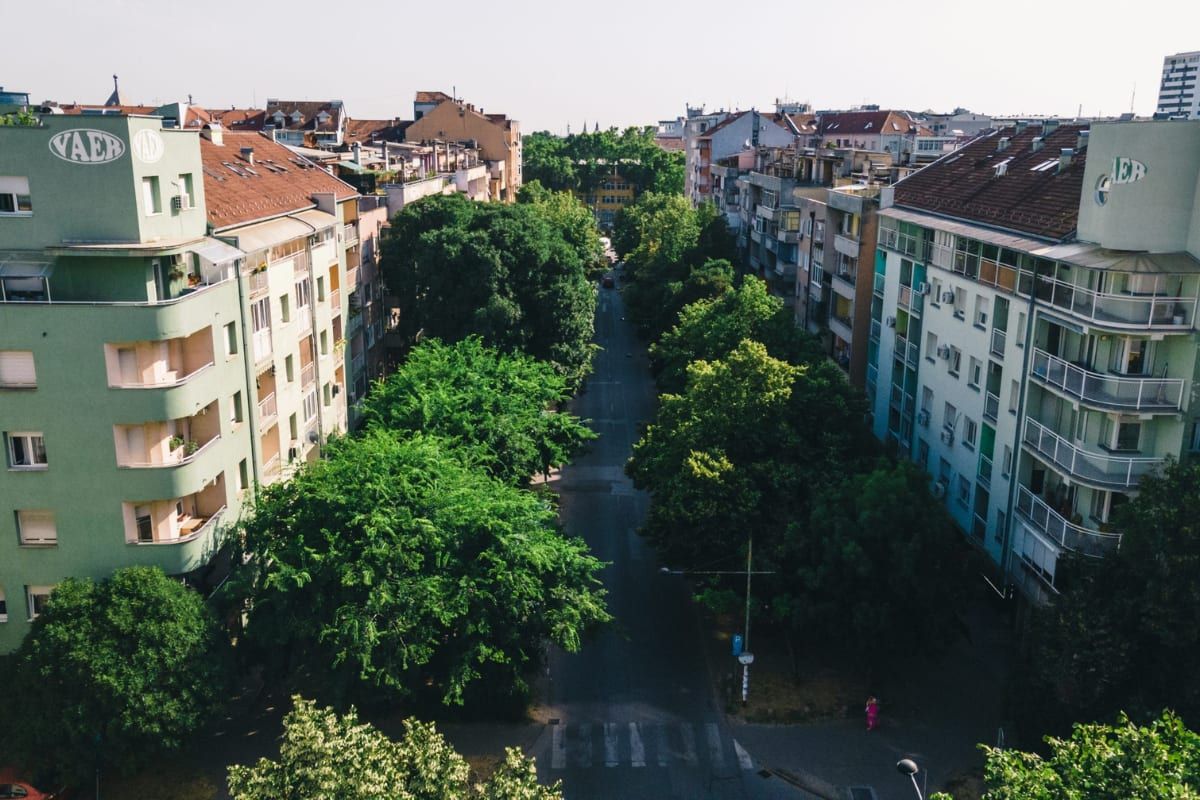
Liman, a series of riverside residential zones just south of the centre, is the most popular choice for families and longer-term residents. It’s green, has good access to parks, and sits close enough to the university that services and shops stay well developed.
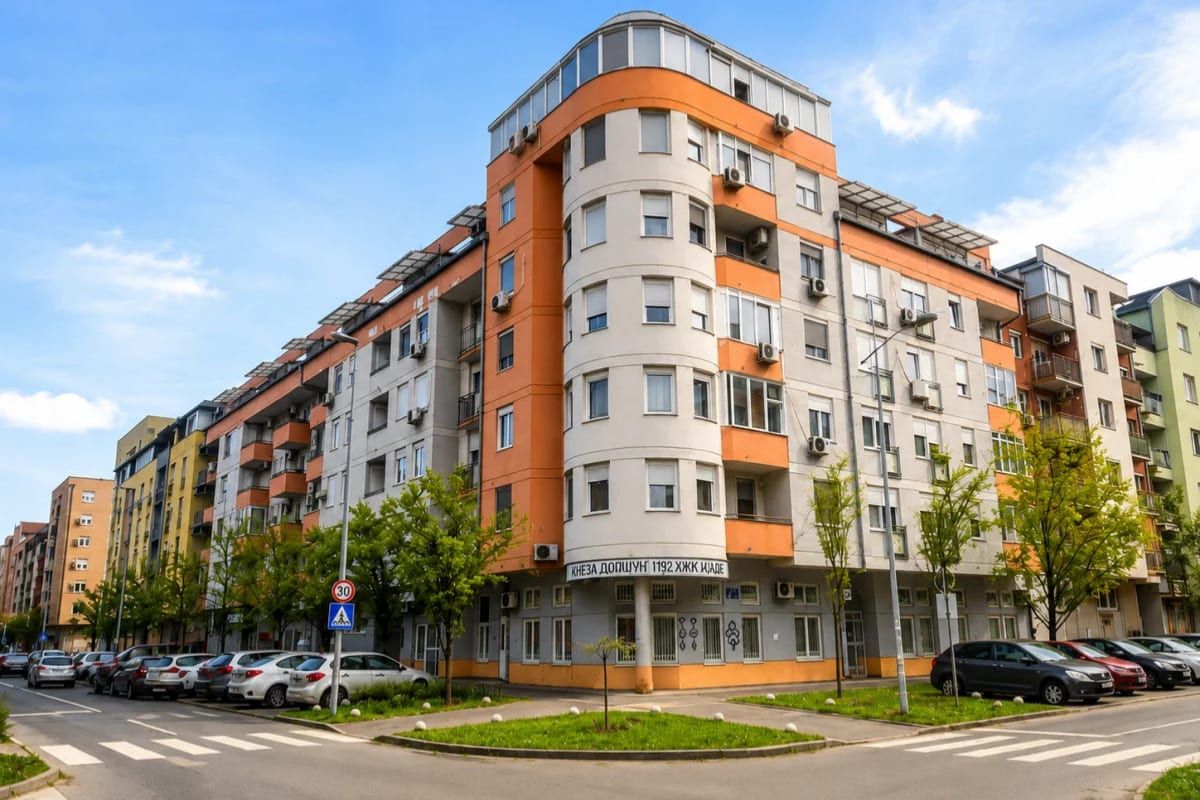
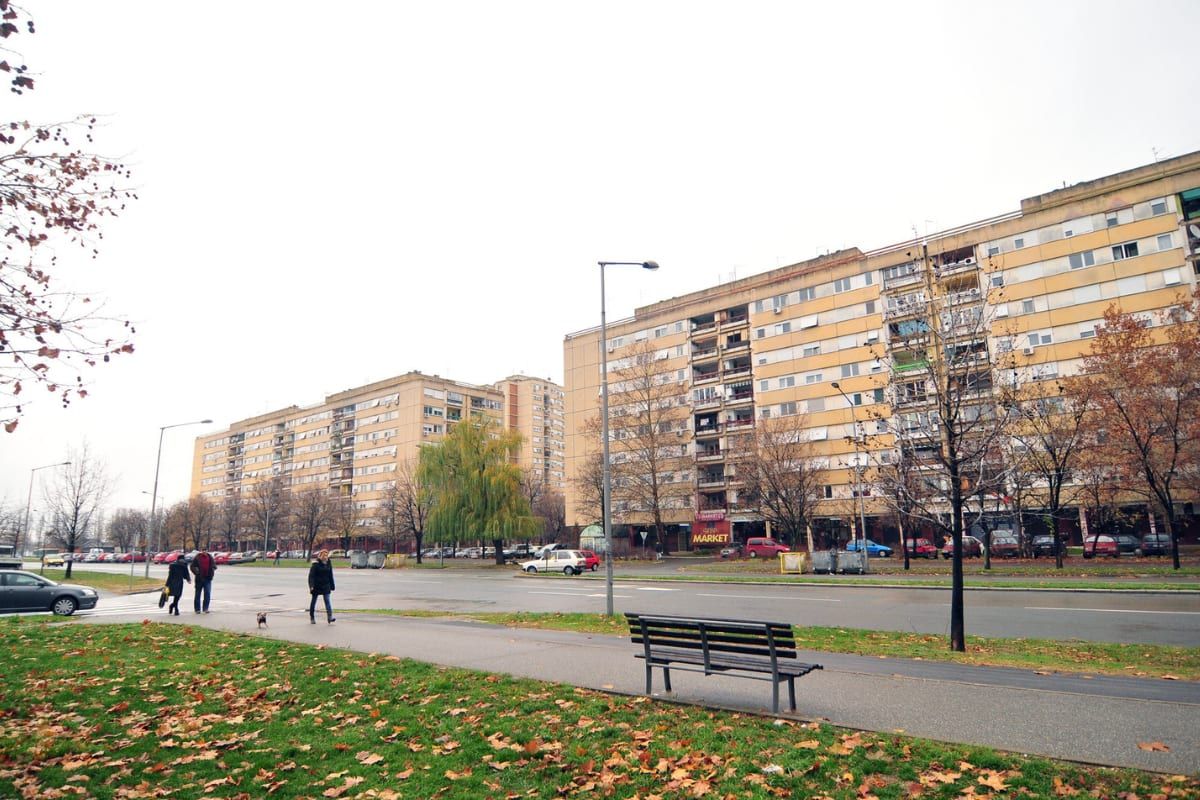
Detelinara offers more space for less rent, a short bus ride from the centre, and suits residents less concerned with walkability to the old town. Petrovaradin itself, across the river, is quieter and more historic, appealing to residents who want distance from the old town’s tourist foot traffic while staying a short bridge walk from it.
Healthcare and daily logistics
Novi Sad’s private clinic network is smaller than Belgrade’s, so residents with specific ongoing healthcare needs should confirm the relevant specialists are available locally before assuming Belgrade-level options exist here. The Klinicki centar Vojvodine functions as the region’s major public hospital and serves as a fallback for care beyond what private clinics offer.
Our healthcare access service covers how private and public healthcare options compare across Serbian cities, including where Novi Sad’s options differ meaningfully from Belgrade’s.
Work, cost, and the remote-work scene
Novi Sad has quietly become one of Serbia’s stronger secondary tech hubs, with a cluster of software and outsourcing firms feeding off the University of Novi Sad’s technical faculties. For remote workers that translates into a real, if smaller, coworking scene, reliable fibre, and a cafe culture long used to laptops, without Belgrade’s rents. Long-term rents run roughly a third below the capital’s, which is the single most common reason clients choose Novi Sad once they have seen both cities in person.
The trade-off is a shallower local job market. If you need to find work locally rather than bring your own income, Belgrade still offers considerably more depth, both in open roles and in the size of the professional network around them. For anyone arriving with a remote salary or a location-independent business, though, Novi Sad often lands as the better balance of cost, calm, and connection.
Who tends to choose Novi Sad
We see three groups gravitate here most consistently: retirees prioritising calm and walkability over job-market depth, remote workers who want lower rent without sacrificing cafe culture, and international students connected to the University of Novi Sad. Corporate relocations and larger company formations still skew toward Belgrade, given its deeper business infrastructure.
If Belgrade’s pace feels like the wrong fit but you’re not sure Novi Sad goes far enough, our best cities for expats guide compares both against Niš, Subotica, and Zlatibor for a fuller picture.