Serbia Digital Nomad Visa: What It Actually Is, and How to Get It
Serbia has no separately branded “digital nomad visa.” What remote workers actually use is the self-employment/entrepreneurship temporary residence permit, and it functions the same way in practice. This page explains the real mechanism, requirements, and honest limitations.
Book a free 30-min eligibility call to find out if the self-employment route fits your income situation.
Why “no branded visa” isn’t the problem it sounds like
Search “Serbia digital nomad visa” and you’ll find guides that describe a product Serbia doesn’t formally sell. There’s no application form titled “Digital Nomad Visa.” What exists instead is a temporary residence permit issued on the basis of self-employment or entrepreneurship - a route Serbia already had before “digital nomad visa” became marketing shorthand elsewhere.
This naming gap creates real hesitation. Priya, a freelance designer who has already compared Portugal’s branded D8 visa and Spain’s digital nomad visa, reasonably wonders whether Serbia’s unbranded version is a downgrade or a legitimacy risk. It isn’t. It’s a standard temporary residence permit, the same legal category Serbia uses for other non-employment-based residence, applied to remote work and freelance income.
Who this is for
Marcus, 34, a remote software contractor from Austin. He has three US clients, no Serbian employer, and needs to know exactly what counts as qualifying self-employment income before he gives notice on his Austin apartment. He’s read both a $3,500/month figure and a €3,500/month figure on different sites and wants one confirmed answer, not a fifth guess.
Priya, 29, a freelance product designer who has lived in three countries this year. She’s compared Portugal, Spain, and Georgia’s nomad visas already and wants to know how Serbia’s route compares on duration, renewal, and whether she can extend past a typical short nomad stay if she decides to stay longer.
A freelance consultant structuring income through a home-country LLC. She wants to know whether her existing business structure qualifies her for the route, or whether she needs to register a Serbian entity first.
How the self-employment residence route actually works
Step 1: Establish qualifying income or a business presence
Most applicants either register a Serbian DOO and pay themselves through it, or demonstrate ongoing self-employment income from contracts, invoices, or an existing foreign business structure. Which path fits depends on your nationality, client base, and how your income is currently structured - this is exactly what an eligibility call is built to assess rather than guess at from a template.
Step 2: Prepare your document set
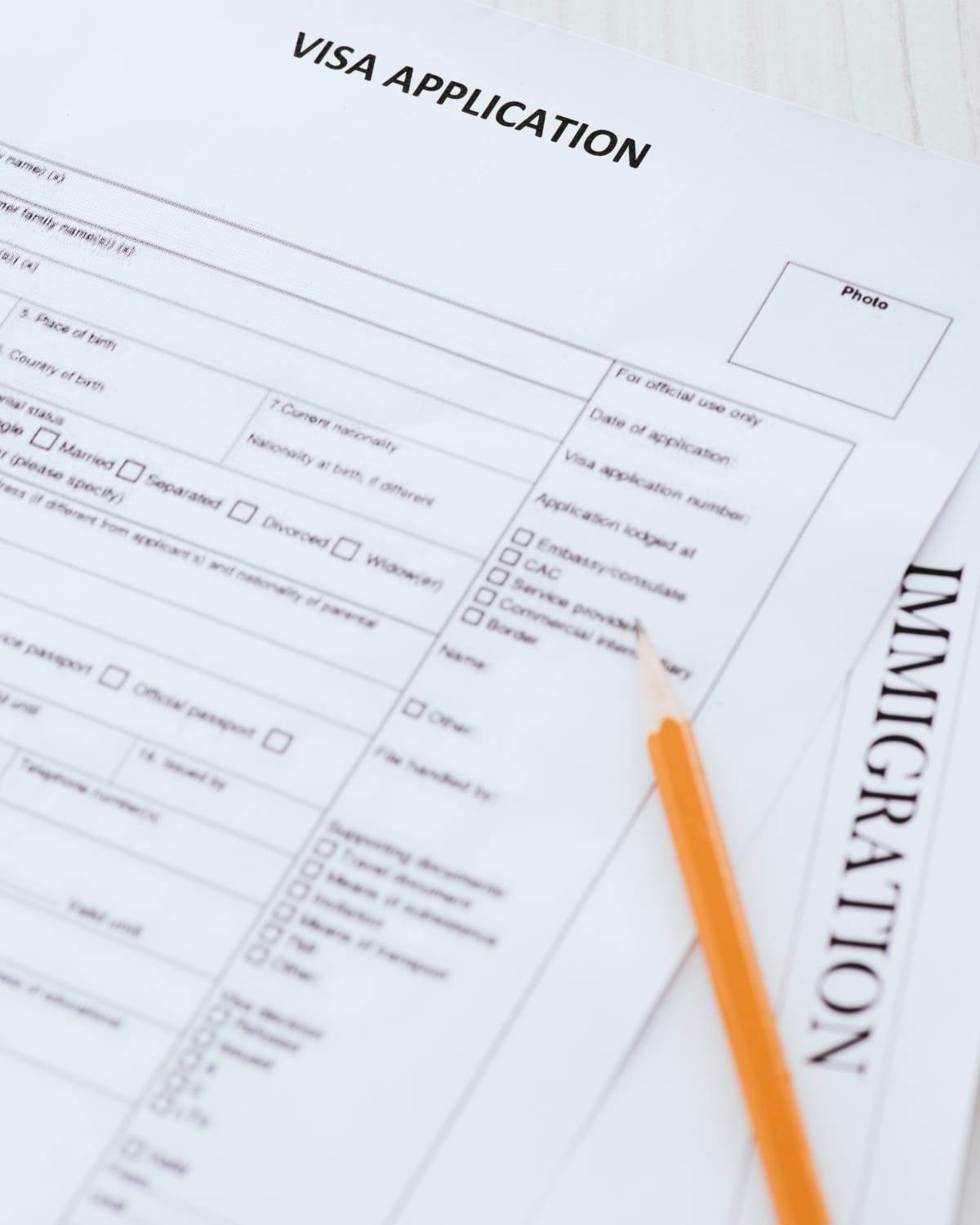
Documents typically include a valid passport, proof of accommodation in Serbia, health insurance valid in Serbia, a clean criminal background check (apostilled), and financial evidence of your self-employment income. Exact requirements vary by nationality and municipality.
Step 3: Submit through the correct municipal MUP office
Submission location is tied to your intended address in Serbia. Submitting through the wrong municipal office is one of the more common, entirely avoidable delays we see.
Step 4: Decision period
Processing time is typical, not guaranteed, and depends on the municipality, the season, and how complete your file is on first submission. See our full residence permit guide for the honest treatment of timeline variability across all four residence routes.
Step 5: Renewal and, eventually, permanent residence
Temporary residence on this route is typically renewable annually, and permanent residence generally becomes available after three years of continuous temporary residence, subject to meeting requirements at that time.
Check your route in 60 seconds
Timeline and typical cost
We won’t publish a single fixed processing-time figure, because doing so would misrepresent the genuine variability applicants experience - this is one of the “what we will not promise you” commitments that runs through this site.
What we can say with confidence:
- A complete, correctly apostilled and translated document set is the single biggest factor in avoiding delay.
- If you’re using the DOO route rather than demonstrating existing self-employment income, factor in DOO registration time (typically a few working days once documents are ready) before the residence application itself begins.
- Total cost depends on whether you form a company, translation and apostille costs for your home-country documents, health insurance, and our delivery partner’s service fee, disclosed before you commit.
Common mistakes we prevent
- Relying on an unconfirmed income threshold. Different sources cite different currencies and figures for qualifying income. Confirm the current, officially required amount during your eligibility call against the primary source rather than any single web page, including this one.
- Choosing DOO formation when it isn’t necessary, or skipping it when it is. The right structure depends on your specific income situation and nationality - see our DOO vs. self-employment income comparison for the decision framework.
- Submitting through the wrong municipal office. Your intended address determines the correct branch.
- Assuming a short nomad stay converts automatically into standing to apply. The residence permit application has its own document and income requirements independent of how long you’ve already spent in Serbia.
- Confusing residence status with tax residence. These are related but legally distinct questions. Confirm your specific tax-residence status with a qualified advisor.
Book a free 30-min eligibility call - get a direct answer on whether your income situation qualifies.
Source: For the official framework governing foreigners’ residence in Serbia, see the Serbian Ministry of Interior - Foreigners (accessed July 2026).