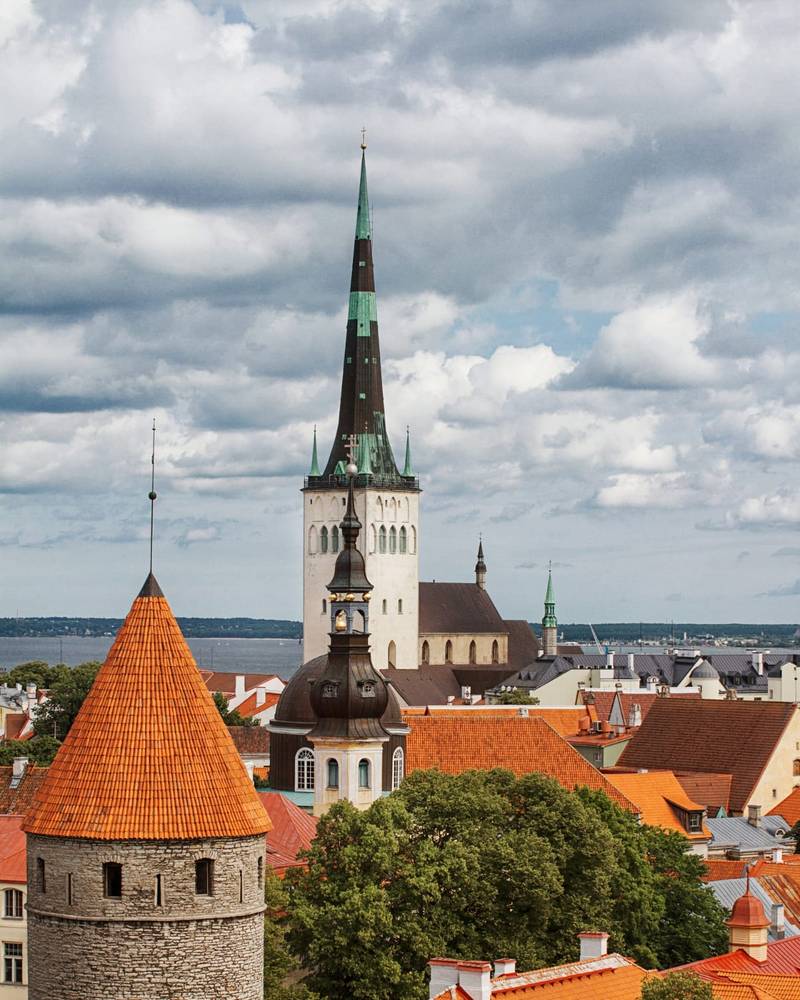
Estonian citizens relocating to Serbia most commonly use the self-employment residence route. Because Estonia and Serbia use very different corporate tax models, the tax comparison deserves real care rather than a headline number. This guide covers documents, timeline, and the questions Estonian applicants ask.
Book a free 30-min eligibility call to review which route fits your situation as an Estonian citizen.
Why Estonian citizens choose Serbia
There is no dedicated forum or visible community of recent Estonian movers to Serbia, and we would rather say that plainly than invent one. The clearest verifiable draws are lower housing costs than Tallinn, a larger local market, and a milder climate. The tax picture is genuinely mixed and depends on your distribution pattern, so we treat it as a question to work through, not a selling point.
Best residence route for Estonian citizens
Since Serbia is not an EU member, EU free-movement rights do not apply there: Estonian citizens use the same general residence framework for foreign nationals as everyone else. Most remote workers and founders use the self-employment/entrepreneurship route through a Serbian DOO or documented independent income. Employees of a Serbian entity use the employment-based route, and family members join through family reunification once a primary applicant holds residence.
Timeline for Estonian applicants
Processing time is typical, not guaranteed, and depends on the municipality, the route, and document completeness. Estonian-issued documents move through the apostille process predictably in principle, since Estonia is a Hague Apostille Convention member.
Check your route in 60 seconds
Cost breakdown
Costs vary by route, family size, and lifestyle. Line items that consistently matter for Estonian applicants:
- Apostille and translation costs for Estonian-issued documents
- Health insurance valid in Serbia
- Residence permit application and service fees
- Company formation costs, if using the self-employment/DOO route - see our company formation guide
- Housing costs, which run below Tallinn, particularly outside central Belgrade
Common mistakes Estonian applicants make
- Assuming e-Residency equals residence. It does not - relocating yourself to Serbia is a separate physical residence process.
- Comparing headline corporate rates without accounting for the distribution model. Estonia’s 0% on retained earnings changes the comparison materially depending on your situation.
- Assuming EU freedom-of-movement rights carry over. Serbia is not an EU member; Estonian citizens use the same residence framework for foreign nationals as US or Canadian citizens.
- Starting the apostille process too late. Notary processing volume varies and is a common, avoidable source of delay.
- Not confirming translation requirements for Estonian civil documents before an appointment. Certified Serbian translation is typically required regardless of the apostille.
Book a free 30-min eligibility call - get a route recommendation specific to your situation as an Estonian citizen.
Sources: Serbian Ministry of Interior - Foreigners (accessed July 2026); PwC Worldwide Tax Summaries - Serbia (accessed July 2026); Tax Foundation - Corporate Income Tax Rates in Europe 2026 (accessed July 2026); HCCH - Hague Apostille Convention Status Table (accessed July 2026).